Men's Health Is Everybody's Business
There are stark inequalities in men’s health across the country
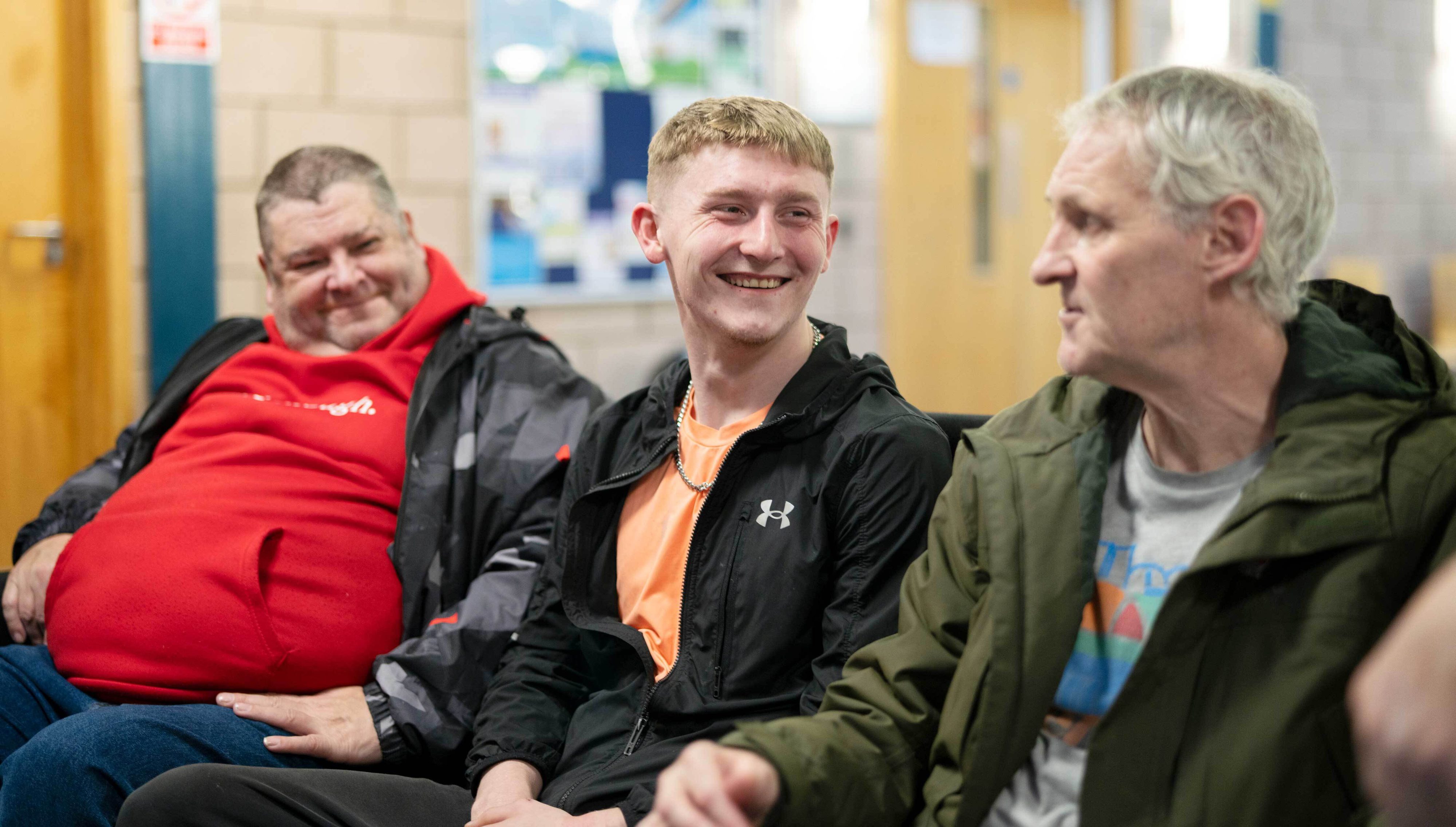
Men born in the country's most deprived areas can expect to die up to 10 years earlier than those born in a wealthy areas. They will also spend on average nearly 19 years more of their lives in poor health, because of stark inequalities that exist across the country (ONS, 2026). These inequalities reflect “the building blocks of health” - the social and economic conditions shaping daily life. In addition, men are disproportionately affected by cancer, cardiovascular disease, type 2 diabetes and suicide - yet are less likely to ask for, or accept, help - than women.
These men are not just statistics, they are our dads, partners, sons, brothers, and colleagues, and they need our help.


Men born in the country's most deprived areas can expect to die up to 10 years earlier than those born in a wealthy areas. They will also spend on average nearly 20 years more of their lives in poor health.
Office for National Statistics (Healthy life expectancy, 2026)
Our new partnership
We have partnered with the UK Government and leading men’s charity Movember on a major new collaboration aiming to improve the health of underserved men and older boys in England. The Men’s Health Community Fund will invest at least £6.3 million in community and grassroots organisations that work in the country’s most deprived areas where men face the worst health outcomes.
We connect government, community experts and businesses to drive change and improve health
The government’s first ever Men’s Health Strategy highlights the need for urgent action. To support this vital work, we gathered insights from our lived experience network of community partners that specialise in men’s health to develop an evidence-based report. This led to rich conversations with global employers including Aviva, BT, Centrica, The Clancy Group, ITV, McGinley, Morrisroe and Nando's, where we asked the question: What is your biggest challenge when supporting men’s health?
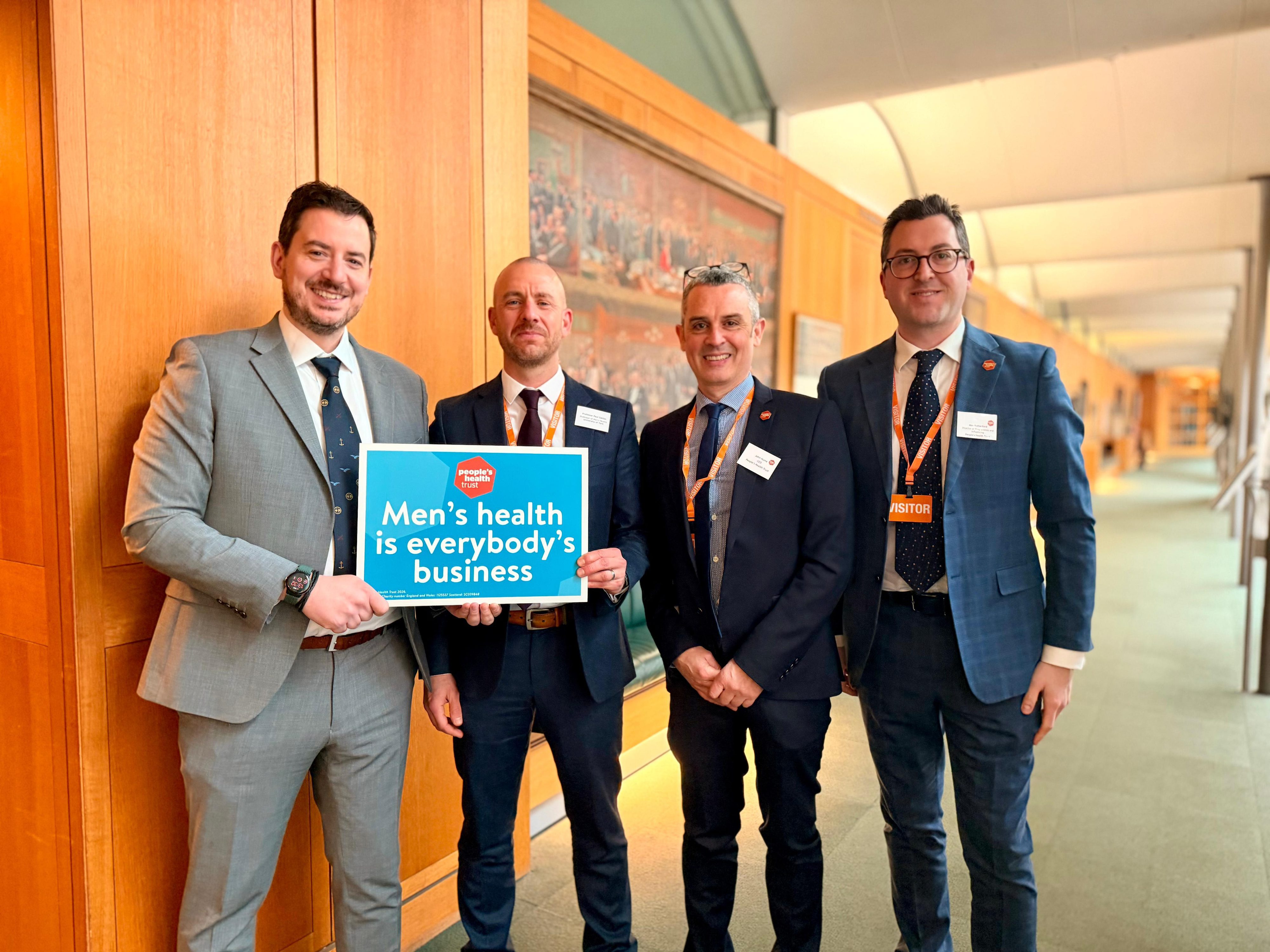
We've since hosted a series of events with businesses - including a parliamentary roundtable focused on men's health in the construction sector, a sector where poor health outcomes are acute. Men working in construction face significantly higher rates of musculoskeletal problems, poor mental health, substance use, and suicide, making coordinated action more important than ever.
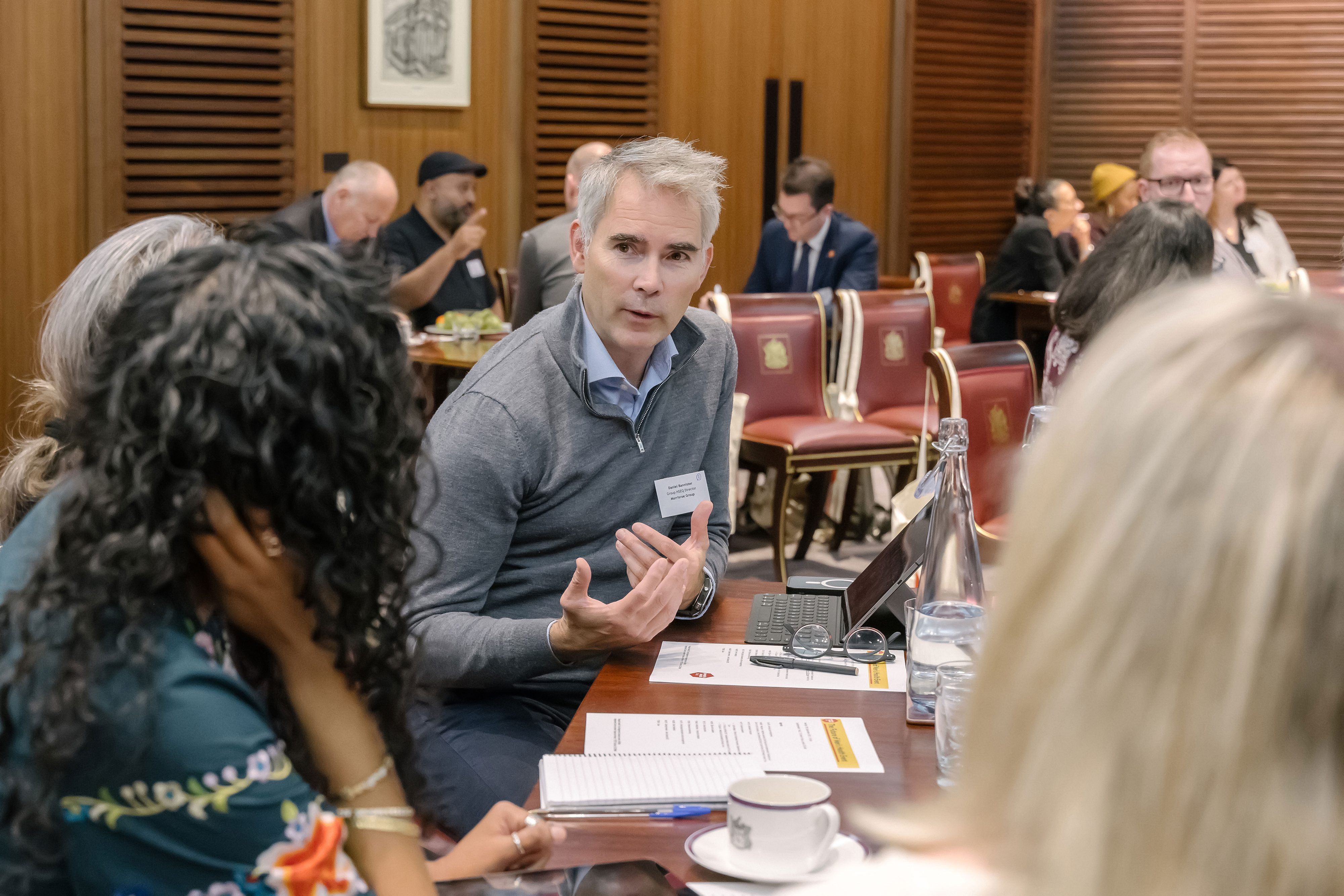
Businesses have highlighted both the pressures facing workforces and the opportunities available for employers to create healthier, more supportive working environments.
Businesses have highlighted both the pressures facing workforces and the opportunities available for employers to create healthier, more supportive working environments. We've heard about the complexities of managing health for different demographics of men; the struggle to speak to men in a way that resonates and inspires action; and ensuring that businesses are investing in the right interventions that actually make a difference.
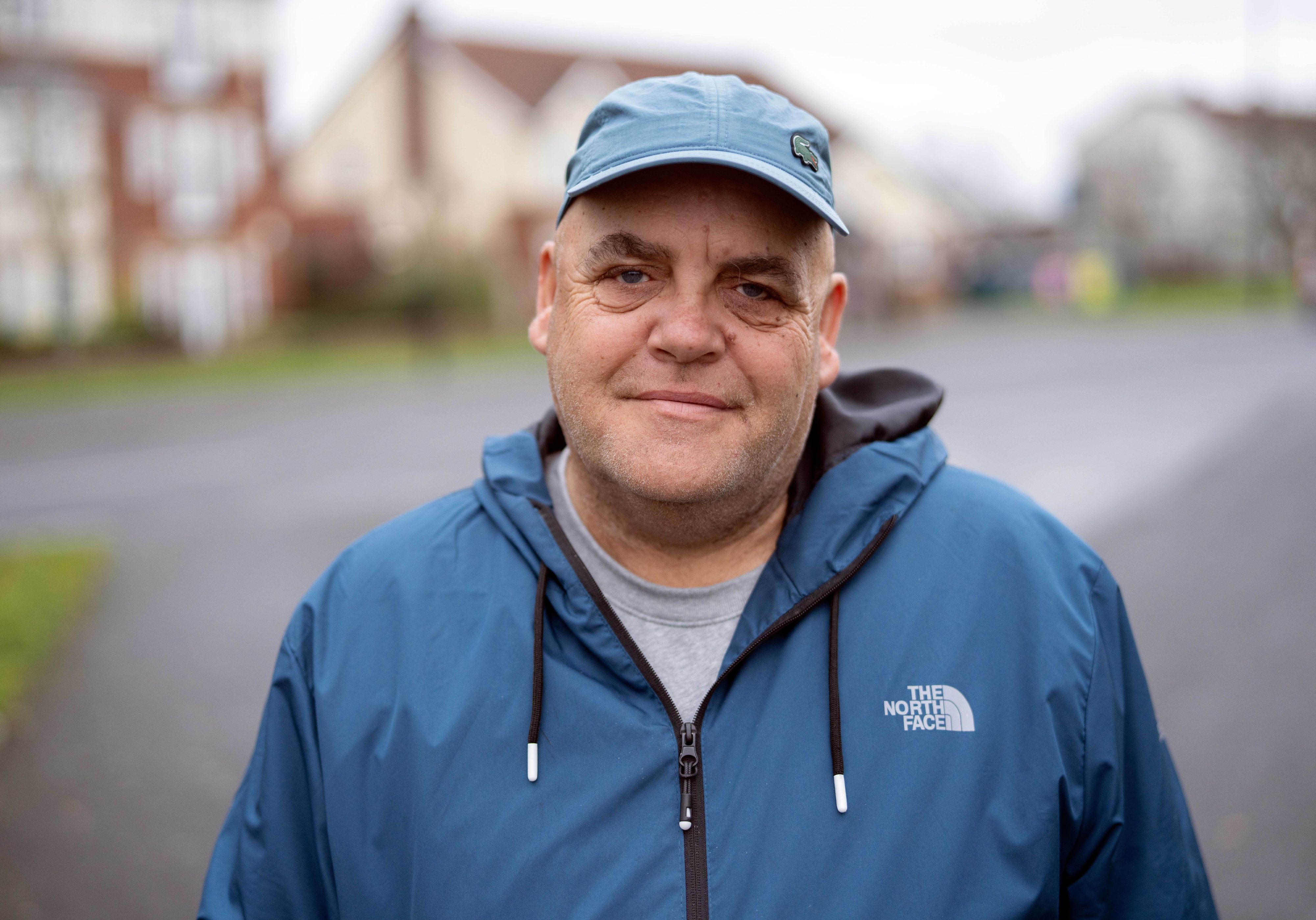
Supporting men's health is good for employees, good for businesses, and good for society as a whole
We support the growing drive and willingness from businesses to support their employees, their families and communities. They need strategies that work, are evidence-based, designed with men in mind, and delivered in partnership with trusted organisations. Men’s health is not just an individual issue: it has direct implications for business performance, workforce resilience, families, and wider society – and therefore it really is everybody's business.
Businesses can partner with us, including supporting our Men’s Health Fund Appeal
Men’s health is everybody’s business. We are bringing together government, trusts and foundations, businesses and individuals to drive this vital work and maximise its impact – our Men's Health Fund Appeal aims to raise £500,000 by May 2026.
Donors to the appeal can double their contribution for a limited time - People's Health Trust will match the first £300k received from businesses and individuals.
Join with us by:
- Donating to our Men's Health Fund Appeal as a business, foundation, or as an individual
- Becoming a corporate partner to improve men's health in your company
- Supporting the delivery of this programme of work as a Trust or Foundation
- Making a philanthropic gift
Download
Read our briefing paper on men's health for more on why men's health matters to businesses and communities.
Download