Disabled people and people with a learning disability
There are now 16 million disabled people in the UK (House of Commons Library, 2025). This represents a nearly 50% increase in disability prevalence over the last decade. There are 1.5 million people with a learning disability.
Disabled people and people with a learning disability face far greater barriers to living a long and healthy life than non-disabled people.
Disabled people and people with a learning disability are on average less likely to have access to a good education and qualifications, decent housing or a secure job. Access to green and blue places, public transport or public spaces is more limited. This reduces opportunities to get involved in the local community and a sense of control over daily life.
The poverty rate (the number of households living below the poverty line) for disabled people is high and this has a huge impact on life expectancy.

- Disabled people are twice as likely to be unemployed as non-disabled people, with the disability unemployment rate hitting 8.8% compared to 4.3% for the rest of the workforce (The Office for National Statistics (ONS) Labour Force Survey)
- The life expectancy of people with learning disabilities is, on average, roughly 20 years less than the general population, with unacceptably high rates of avoidable mortality in part driven by systemic delays in care (LeDer report, 2025)
- Disabled people face a disproportionate risk of economic hardship, with 28% living in poverty, and families including a disabled person accounting for nearly half of all UK households trapped in very deep poverty or destitution (Joseph Rowntree Foundation, UK Poverty 2026)
Our work on disability and health
We fund many projects that work with disabled people and people with a learning disability to come together to address inequalities in their local area.
This includes improving social connections by involving people with learning disabilities in their local community or using community power to influence decision-makers and improve accessibility in local spaces.
Some partners work within specific neighbourhoods, strengthening ties between disabled people in the local area and non-disabled residents. This work can revolve around raising awareness of hate crime and discrimination and making community spaces more accessible. We also fund community groups run by and for disabled people across a larger area who want to tackle specific issues such as access to employment opportunities.
Key research and data on disability and health
- NHS Learning Disability Data Hub
- The LeDeR Mortality Review: The Learning from Lives and Deaths – people with a learning disability and autistic people (LeDeR) programme, funded by NHS England and NHS Improvement, was established in 2017 to improve healthcare for people with a learning disability and autistic people.
- ONS Disability Outcomes Data: Continuous statistical research from the Office for National Statistics tracking how disability intersects with health, anxiety, loneliness, and housing.
- Mencap Research and Statistics: the latest research and statistics about the issues related to people with a learning disability
Visiting the works with Southern Gas Network (SGN) was a fantastic opportunity to be listened to and asked for input around our lived experiences as disabled people. It [The Local People project in Brighton] was a great example of local people being able to share their knowledge and insight of access barriers to spaces, systems and services, with the possibility to influence significant decision-makers.
Harriet Cavanagh
Community Engagement Officer for Scope
Partner with us
We are keen to work with partners who would like to support our work with disabled people and people with a learning disability. We have been scoping a new programme with a focus on learning disability, involving people with a learning disability in the design as well as their carers. Email our Head of Grant Programmes, Susan Brown or find out how to partner with us.
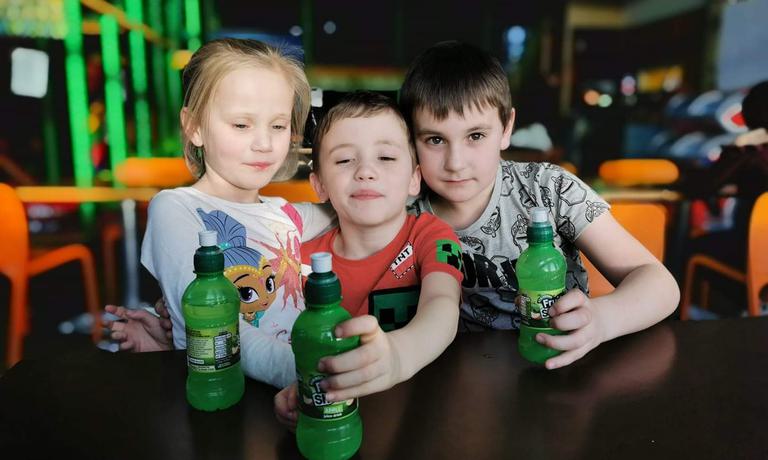

The Castle & Beyond - Our Voice, Our Community
The project provides opportunities for people to access activities in their local community where they feel comfortable to explore their interests and build social connections.